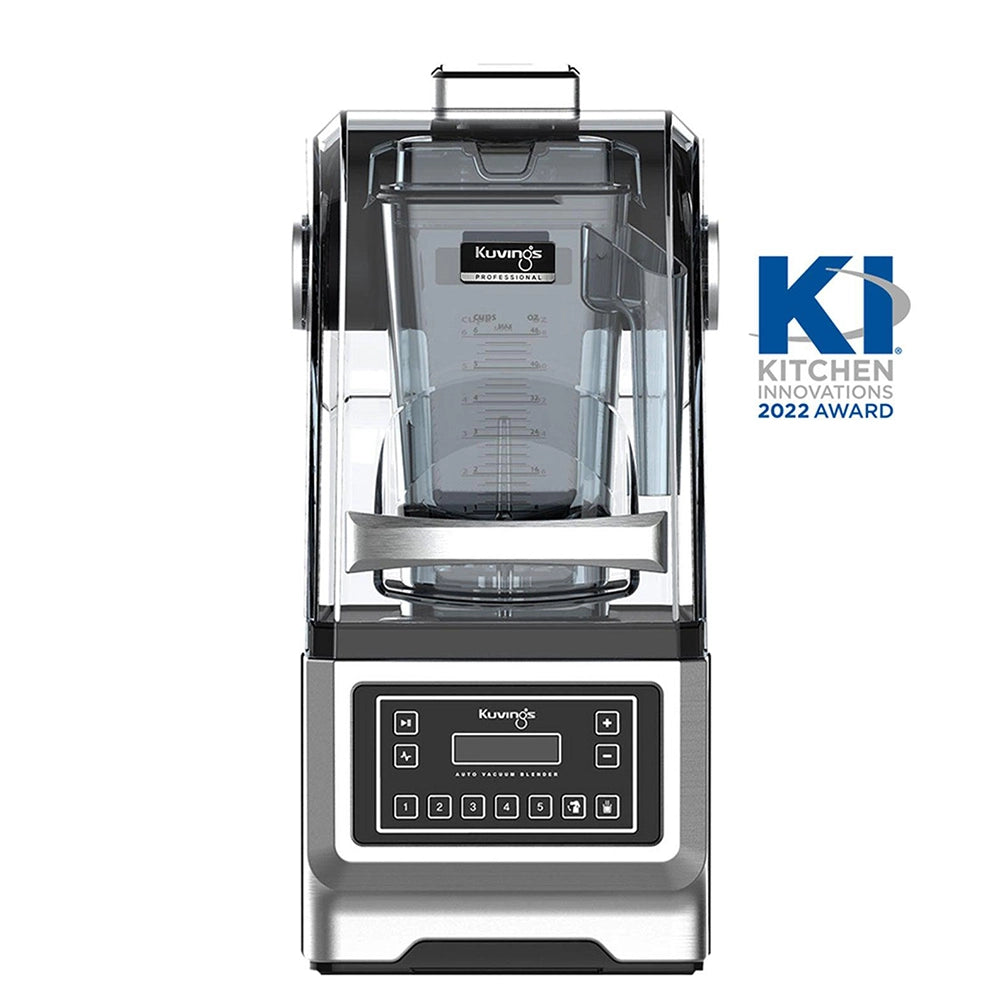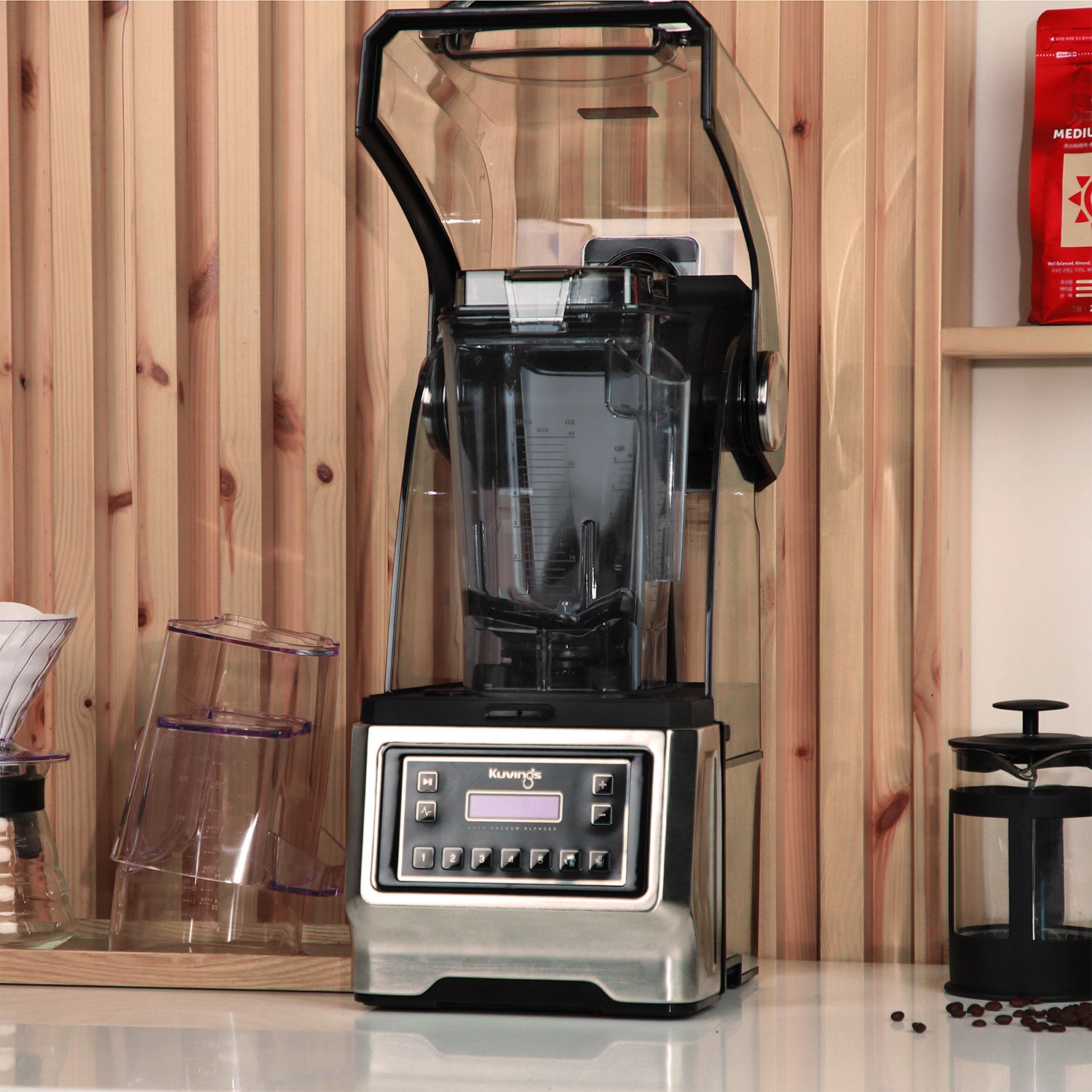
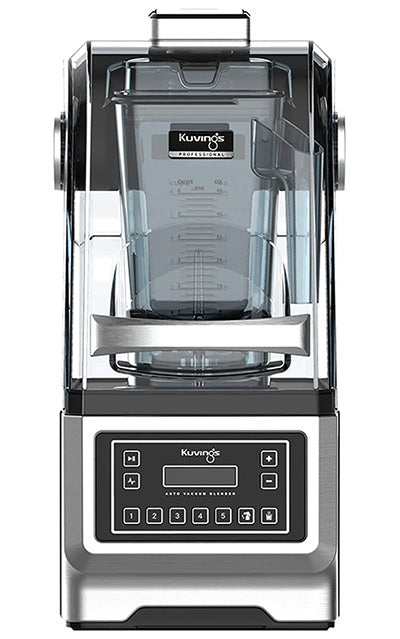


Many people interested in juicing, maybe yourself included, start with a blender. They blend their ingredients with water, then strain the blended juice using a mesh strainer or cheesecloth. Once they decide to commit to juicing, they start searching for a juicer.
In the past, beginners gravitated towards high-speed juicers because they were cheaper than slow juicers. However, slow juicers have more pros than high-speed juicers and are now the more popular choice.
We created baselines to look for in a slow juicer as you research before buying one.
1. What type of juicer is it?
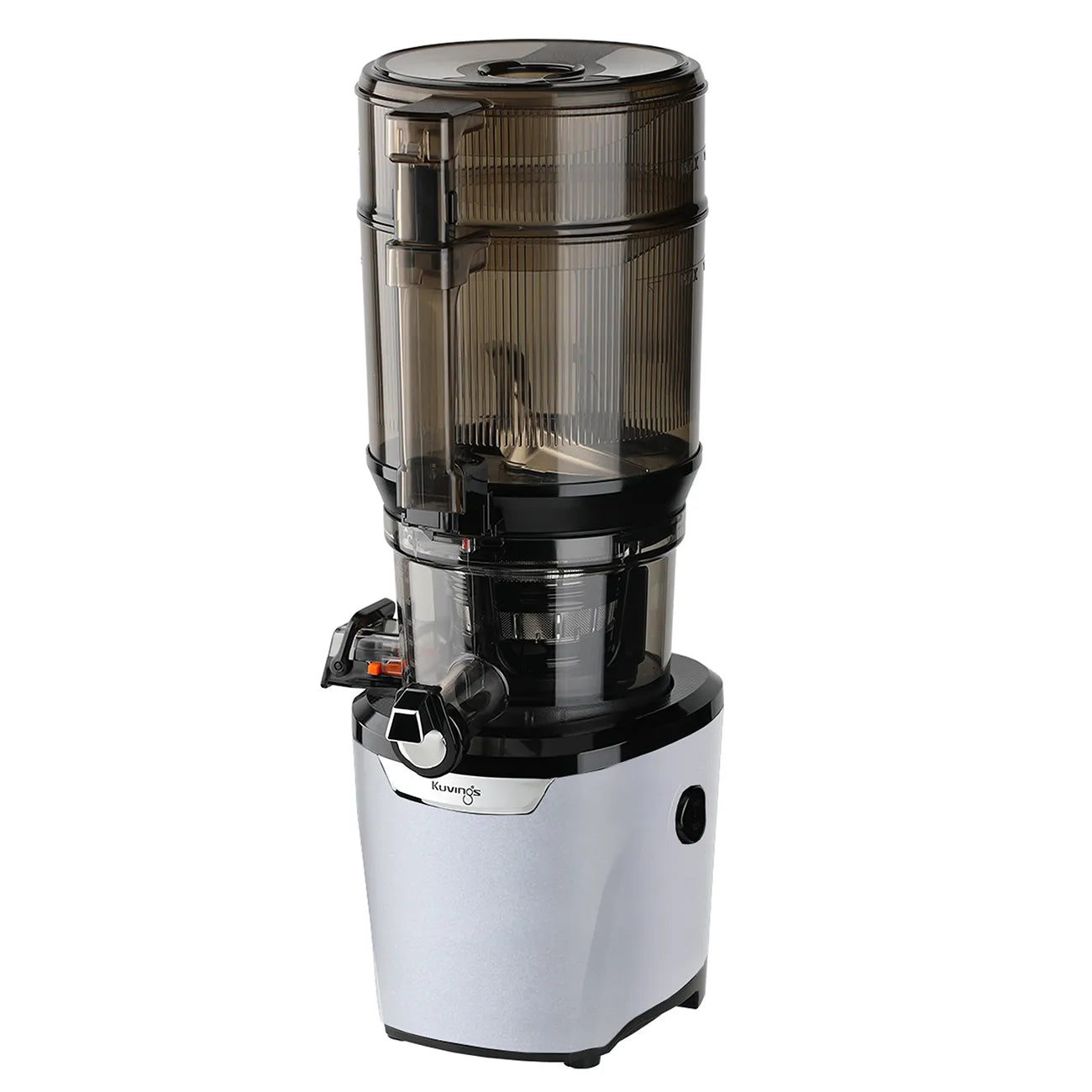
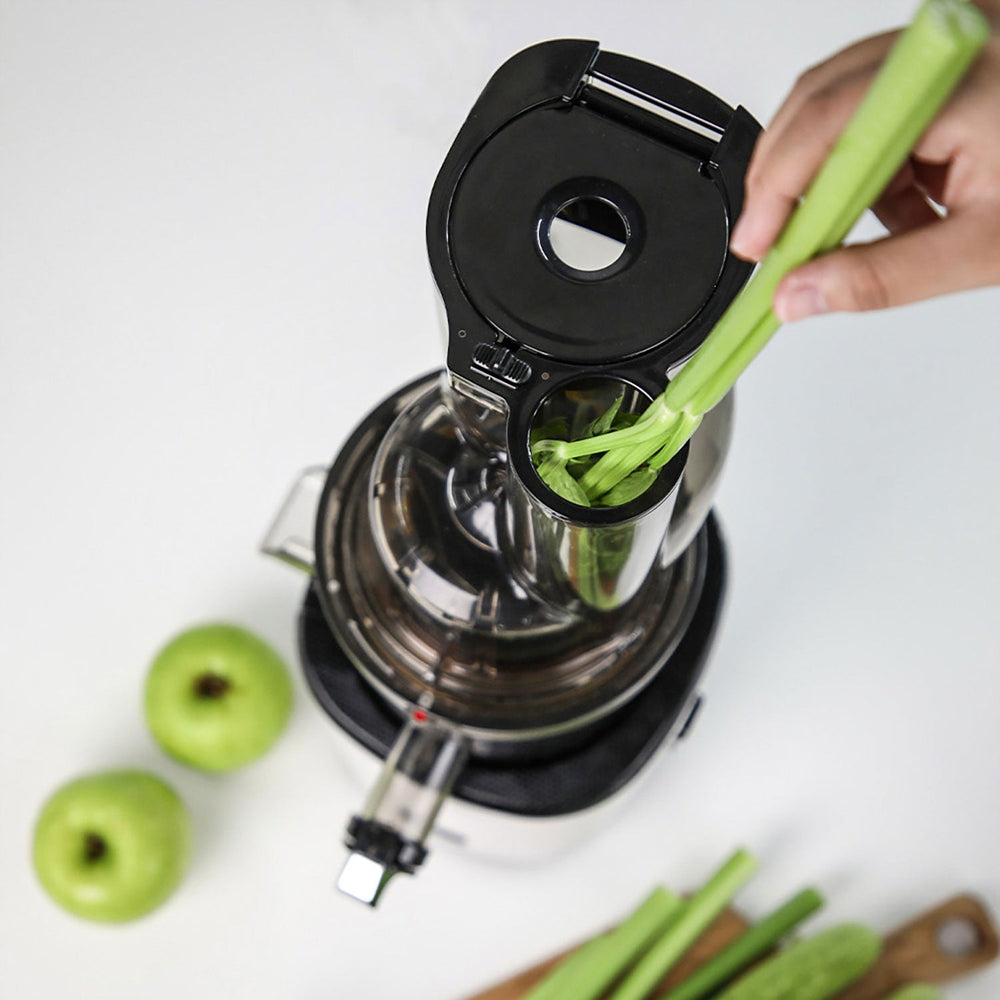
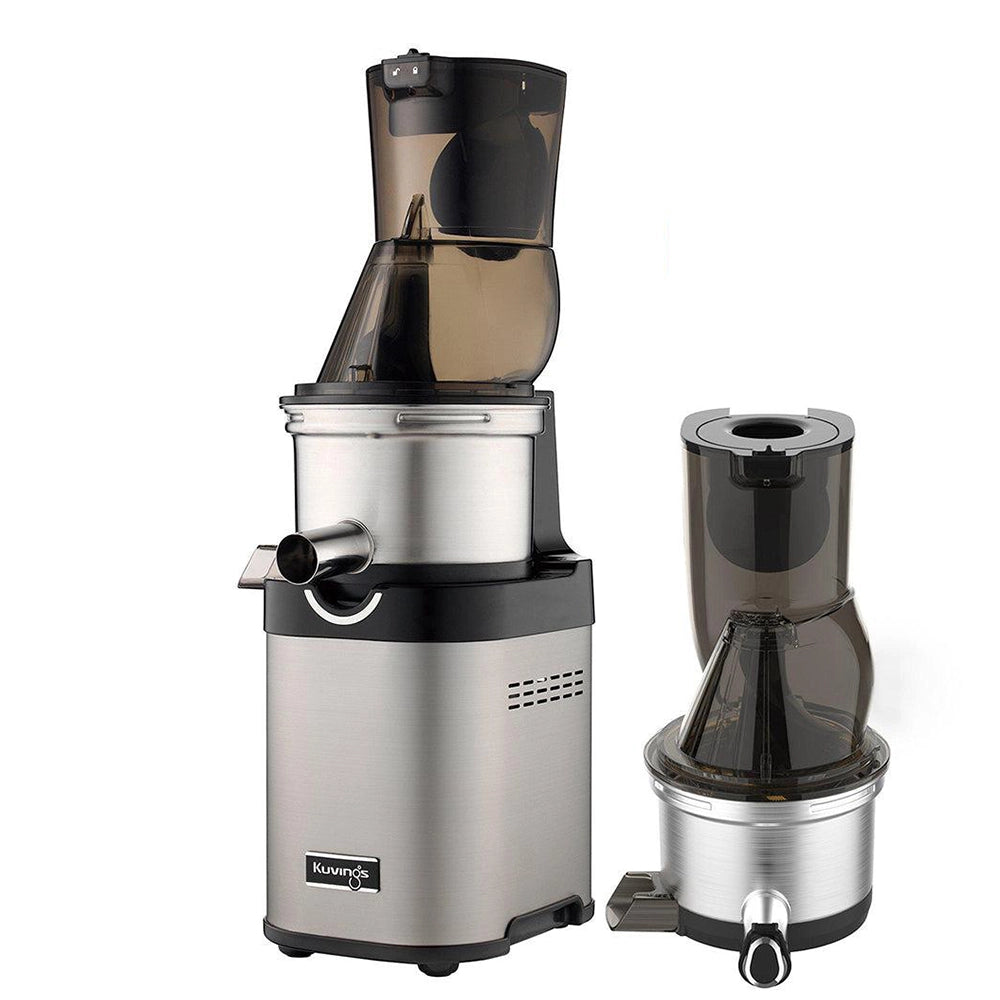
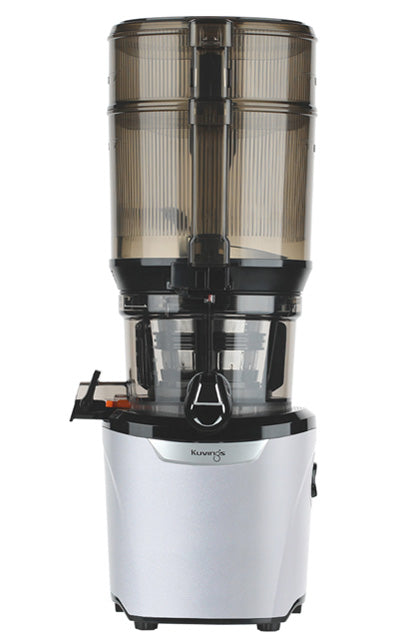
Slow juicers either come with narrow feed chutes or wide hoppers. Narrow feed chutes require manual feeding and chopping because you have to cut ingredients to fit. Wide hoppers are open containers where you can pre-load whole ingredients for a hands-free operation.
💡 The popular choice is hopper-style slow juicers. A hopper solves many issues juicer users face, like the time and effort spent chopping and feeding ingredients. Read more about the benefits of hands-free juicers in this blog.
2. What can it juice?
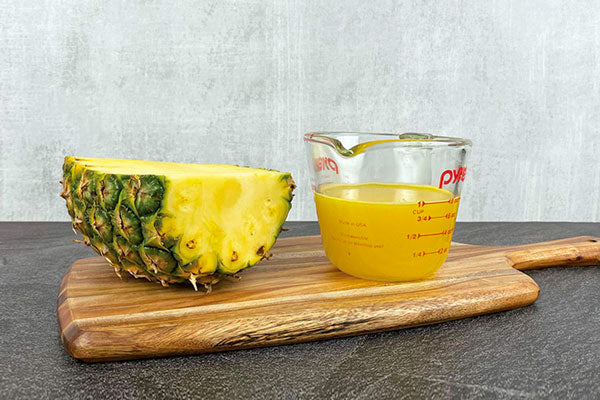
Some juicers juice certain ingredients better than others. Common ingredients are apples, celery, cucumbers, carrots, kale, and spinach. Tough ingredients tend to be soft, fibrous, or dry, such as celery, pineapple, ginger, and wheatgrass.
💡 If you juice certain ingredients often, read customer reviews that specifically mention the ingredient you want to juice. For example, search for reviews that mention celery to see how well the juicer makes celery juice.
💡 If you aren’t sure what you will be juicing, buy a juicer that can juice a variety of different ingredients well. This will give you more confidence in your juicer and peace of mind about what it can handle.

3. Does it produce a high yield?
If the juicer produces juice, you may be satisfied. But you should consider the juice-to-produce ratio. High yield is getting an appropriate amount of juice for the amount of produce you feed into your juicer.
💡 A good juicer will give you a good return on your produce. A good benchmark is a juicer that produces 1 cup of juice out of less than 1 pound of apples.
4. Is the pulp dry?
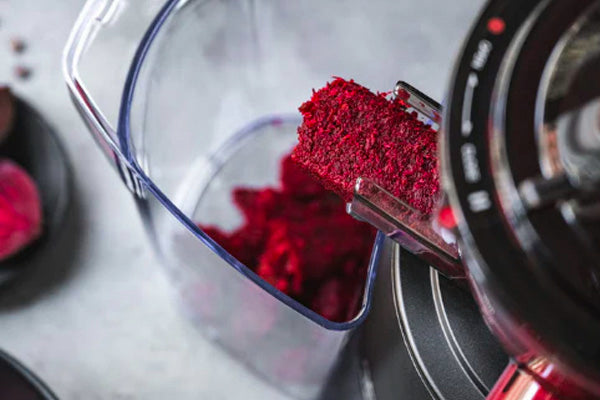
Pulp can sometimes indicate juicer performance better than yield. Dry pulp means the juicer is squeezing all the juice out of the produce.
💡 Dry pulp clumps together or sticks to your hands when you touch it. Watery or damp pulp may fall apart as it exits the pulp spout and shine from the water. Soft fruits tend to make damp pulp, so that's normal. We don’t recommend making soft fruits the baseline for dry pulp; use firm apples instead.

5. Is it easy to clean?
Many people who have stopped using juicers cite difficult cleaning as the reason. Either the juicer has too many parts and crevices or takes more than 10-15 minutes to clean. If assembly and juicing already take a long time, cleaning becomes more dreadful.
Downsizing the parts isn’t realistic because juicers need multiple parts working together to juice. This makes part design more important.
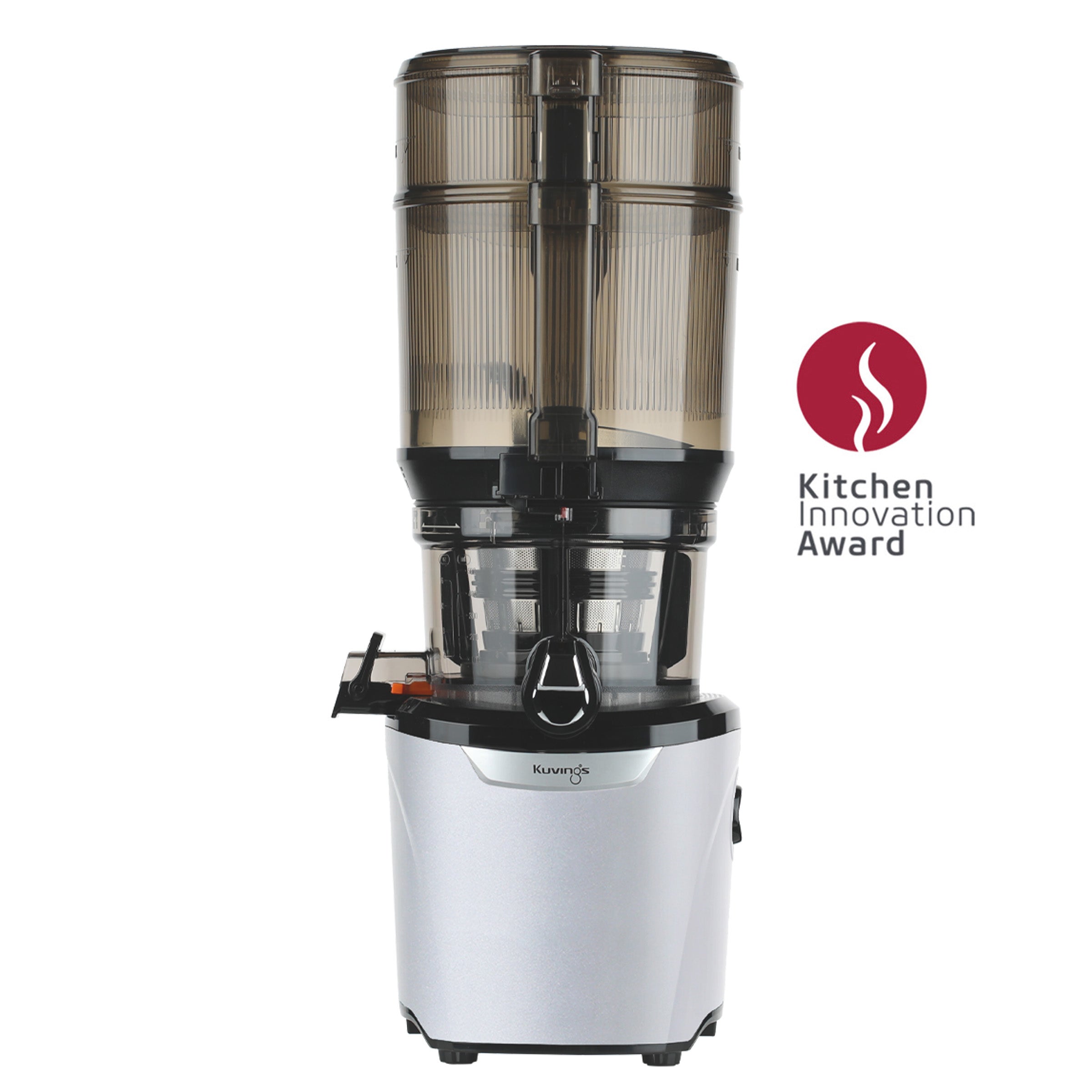
💡 Look for juicers with parts that have minimal crevices or wide openings and only take 5 to 10 minutes to clean. For example, the Kuvings AUTO10 Series has openable pulp spouts, making them easy to access and clean.
6. Is it easy to assemble?
Assembly can become an afterthought after buying a juicer. You often see the juicer assembled and may not know how to put it together when it arrives disassembled.
Design and build play a role in assembly, and so do resources. Well-written instructions, pictures, and demonstration videos will be a lifesaver.
💡Watch assembly videos before buying a juicer. They are a great way to gauge whether assembly will be easy for you. They can also make your first juicing experience with a new machine much smoother.

7. Does it save time?
Another complaint about juicing is that it takes too much time.
Difficult assembly delays juicing. Peeling and cutting produce into small pieces sometimes takes longer than juicing itself. On top of that, juicers that clog often take significant time to unclog, clean, and set back up. After minutes of scrubbing and clearing crevices, you may find the result wasn’t worth the effort.
A juicer that takes seconds or a few minutes per step will quicken the overall process. Look for juicers that:
💡Assemble in a minute or less.
💡Accommodate whole ingredients and can handle peels because they significantly reduce prep time. Hopper-style juicers may be a better option for time-saving results.
💡Can handle a variety of ingredients and has a reverse button. The reverse button helps clear clogs without you taking the juicer apart.
💡Clean in 5-10 minutes or less.
What you are juicing and how much can affect how long it takes. Consider a juicer that can make juice in 20 minutes, including assembly and cleaning, as highly efficient.
8. Does it save money?
If you plan to juice long-term, investing in a high-quality juicer will save you more money in the long run. The latter is more likely to break down easily and need replacement sooner and more often.
Consider the juicer’s performance, build, and warranty.
💡 Look for a juicer that produces a high yield and doesn’t eat up your produce while leaving you with only a cup of juice.
💡 A juicer built with high-quality materials is more durable and will last longer.
💡 Check the warranty period and what it applies to. Some juicers may have a long warranty, but only for the motor, not the parts. Parts touch the produce and break down faster than the motor.
9. Is it quiet?
Noise is normal with a juicer since it has to crush fruits and vegetables. The noise level may matter more if you live with others, reside in an apartment, or like to juice in the mornings. But overall, no one would say they prefer a loud juicer over a quiet one.
💡 We recommend a slow juicer that reaches about 60-70 decibels, which translates to the volume of a normal conversation. Slow juicers can get a little louder if they’re juicing tough or whole ingredients. They never get as loud as a blender or high-speed juicer.
10. How does the juice look?
Taste is the ultimate test, but most people won’t try the juice until they’ve already bought and juiced with the juicer. Therefore, we recommend judging by the juice’s appearance.
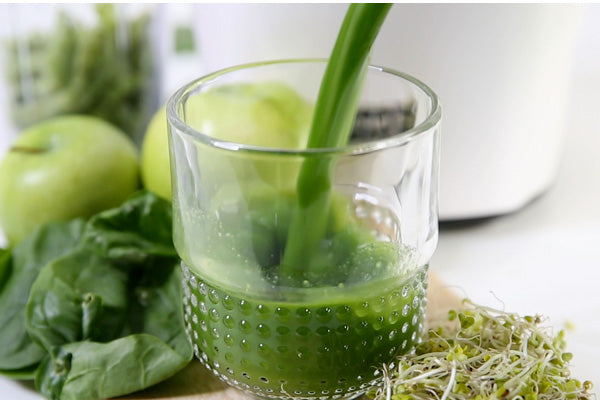
💡 Vibrant, non-foamy juice with a consistent color will taste rich and flavorful. If the juice comes out thin, you know it will be smooth.

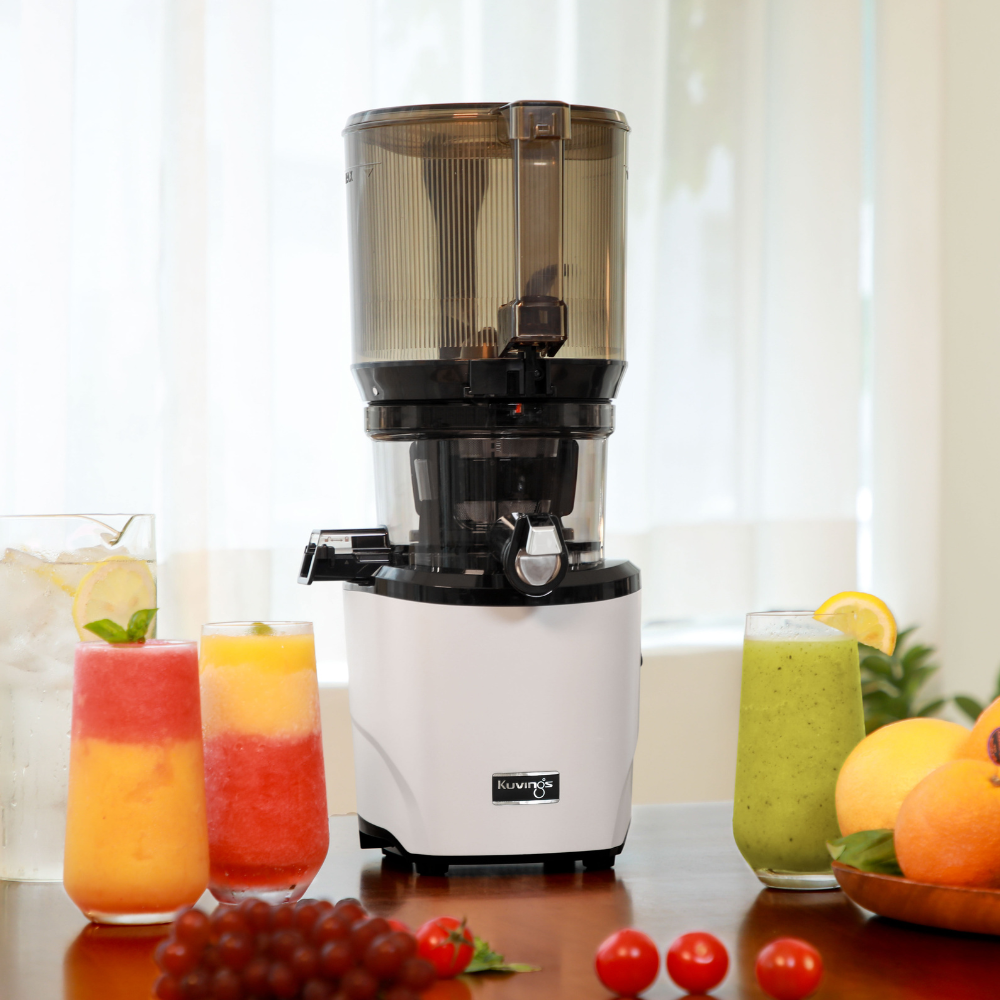
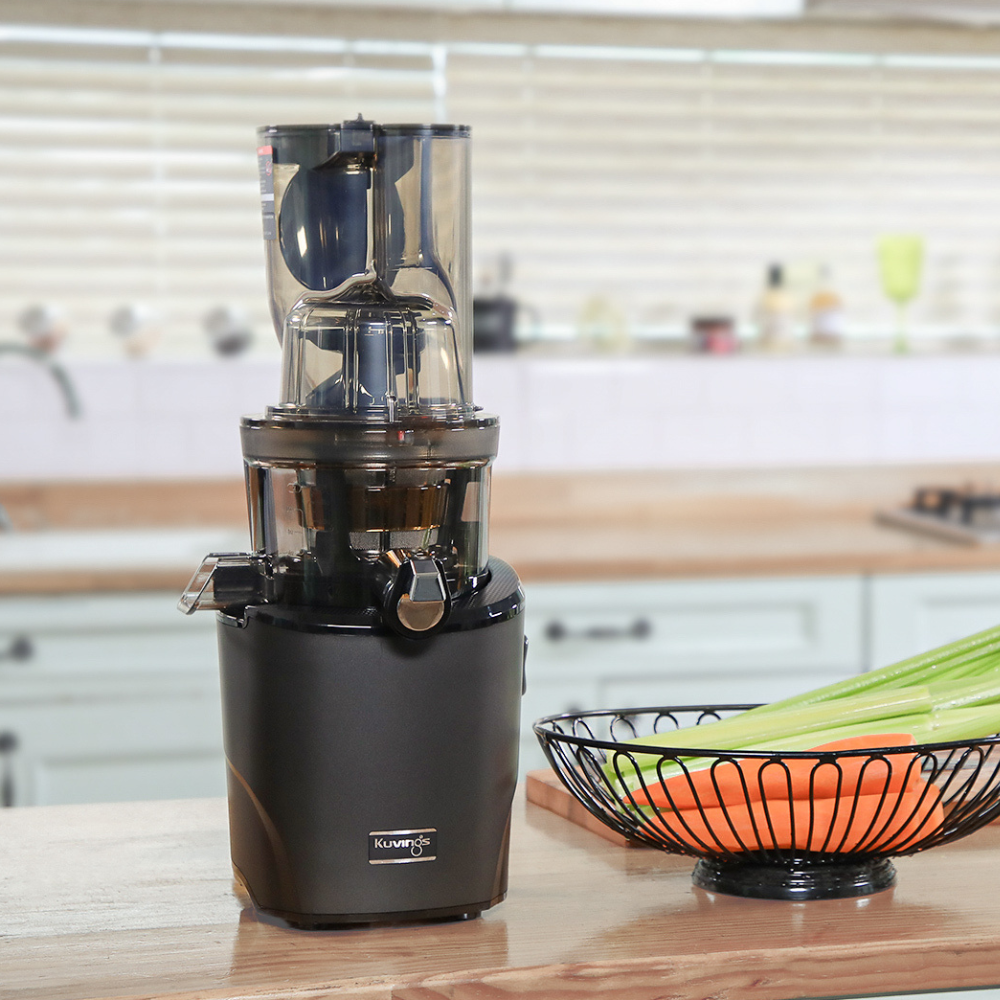
Explore Kuvings Slow Juicers. They hit the mark on all ten categories!