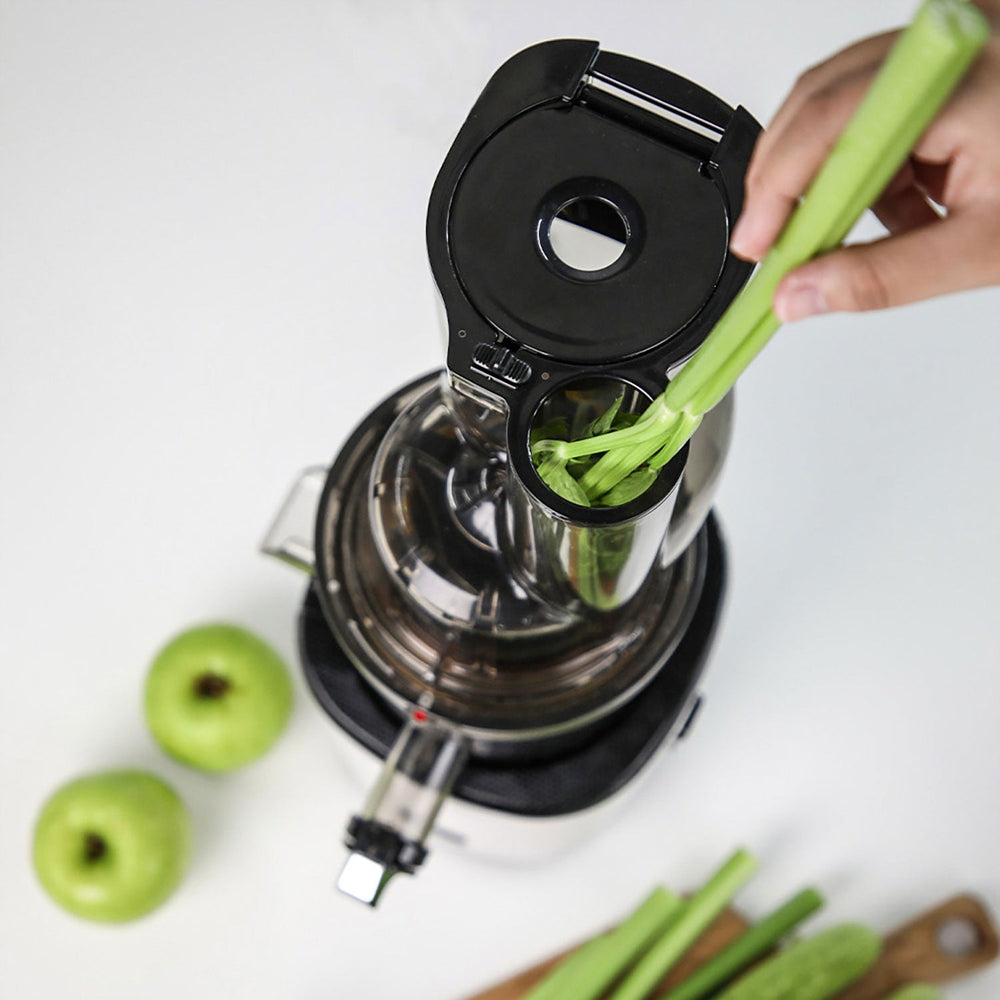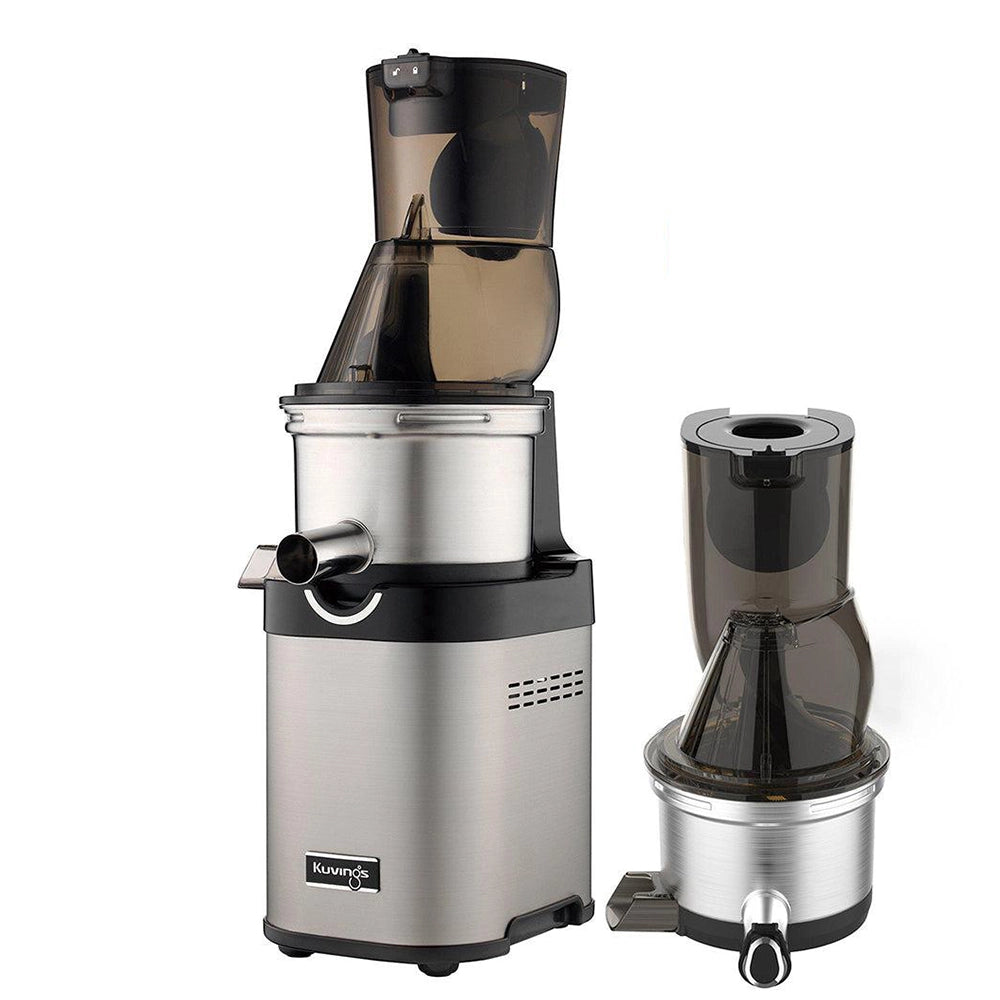


Clogging is a significant concern for many juicer users. Clogging can lead to longer juicing sessions and more challenging cleanup.
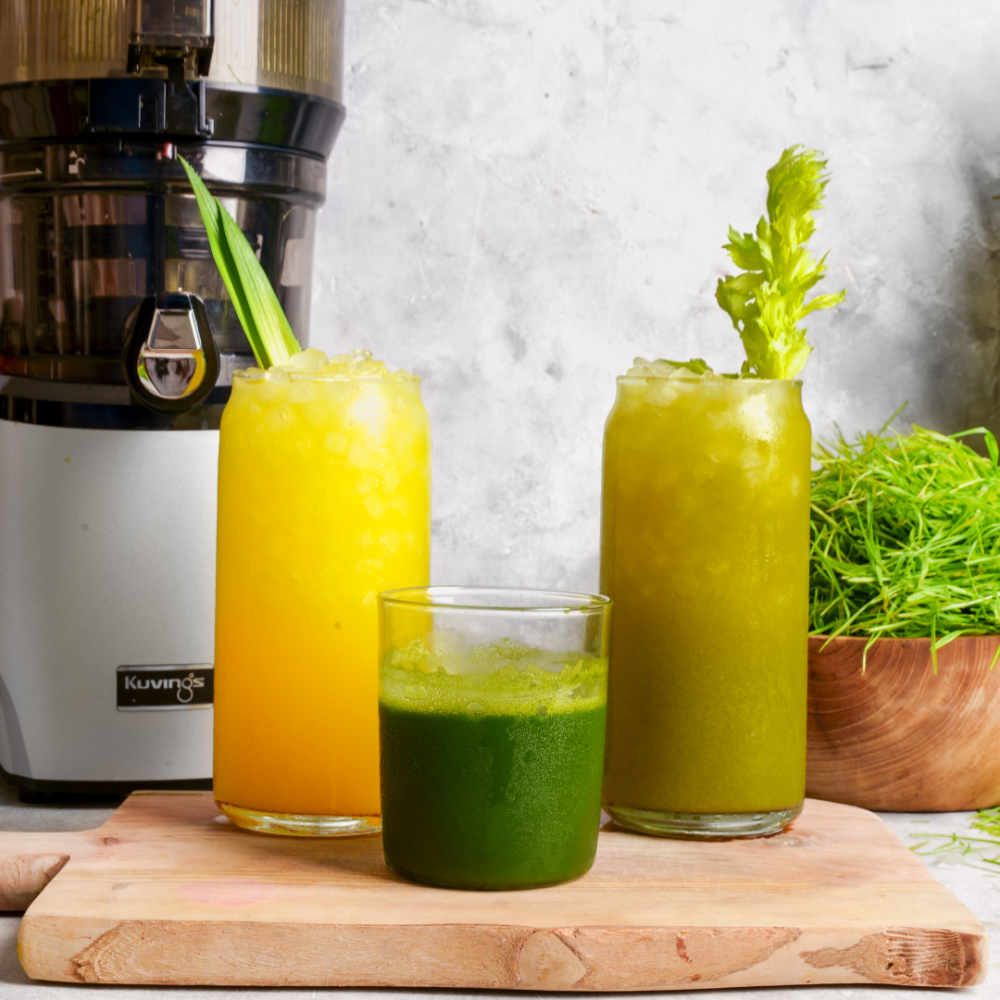
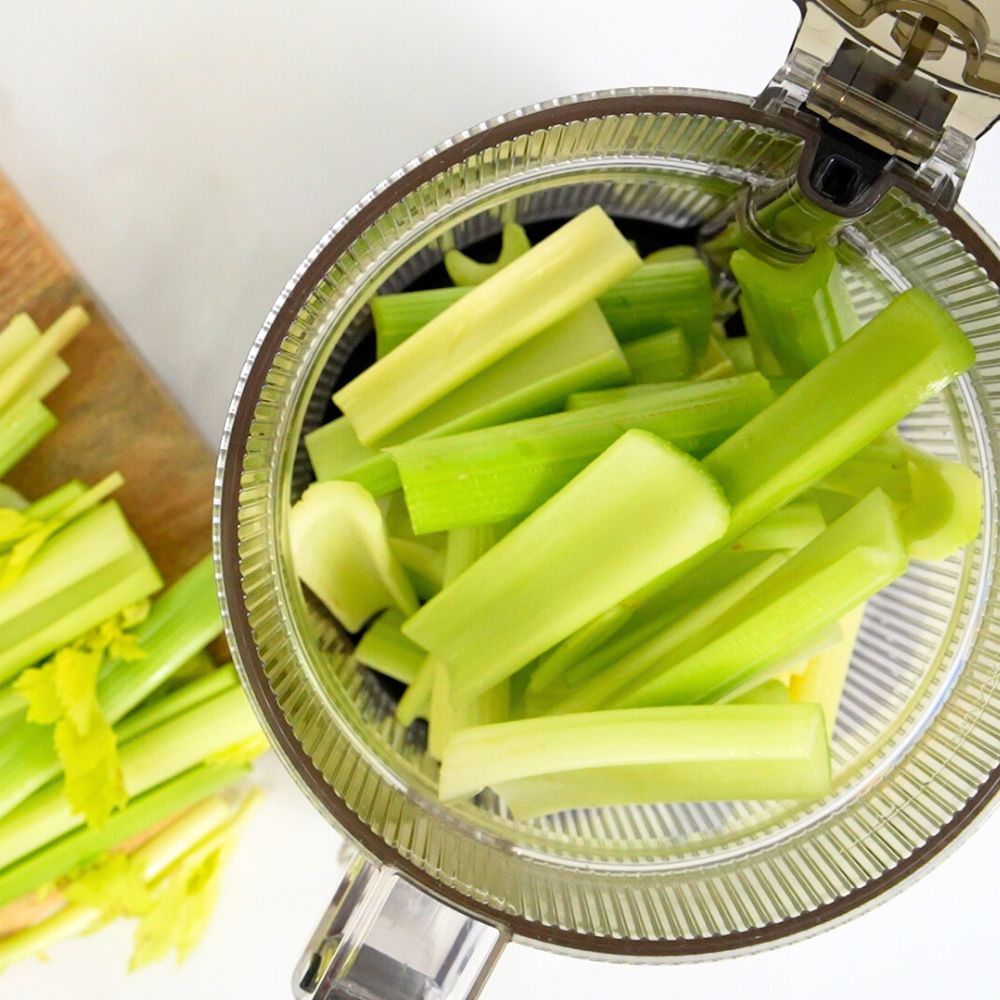
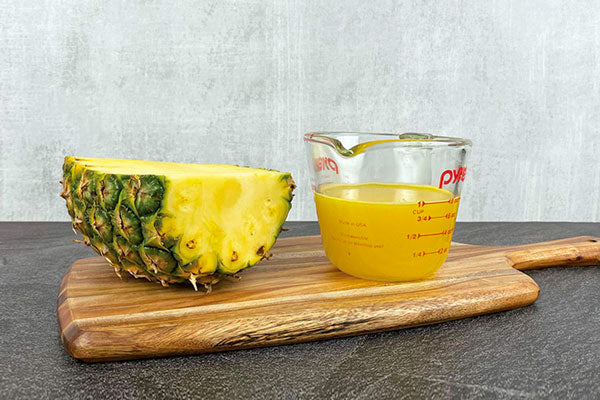
The three ingredients that frequently cause juicer clogs are celery, pineapple, and ginger. Their long, fibrous strands can obstruct both the strainer holes and pulp openings, leading to clogging.
Common Clogging Misconceptions
Oftentimes, new juicer users may think their juicer is clogging when it's actually functioning normally. Two examples of common clogging misconceptions are when:
1. Pulp exits only one side of the pulp spout
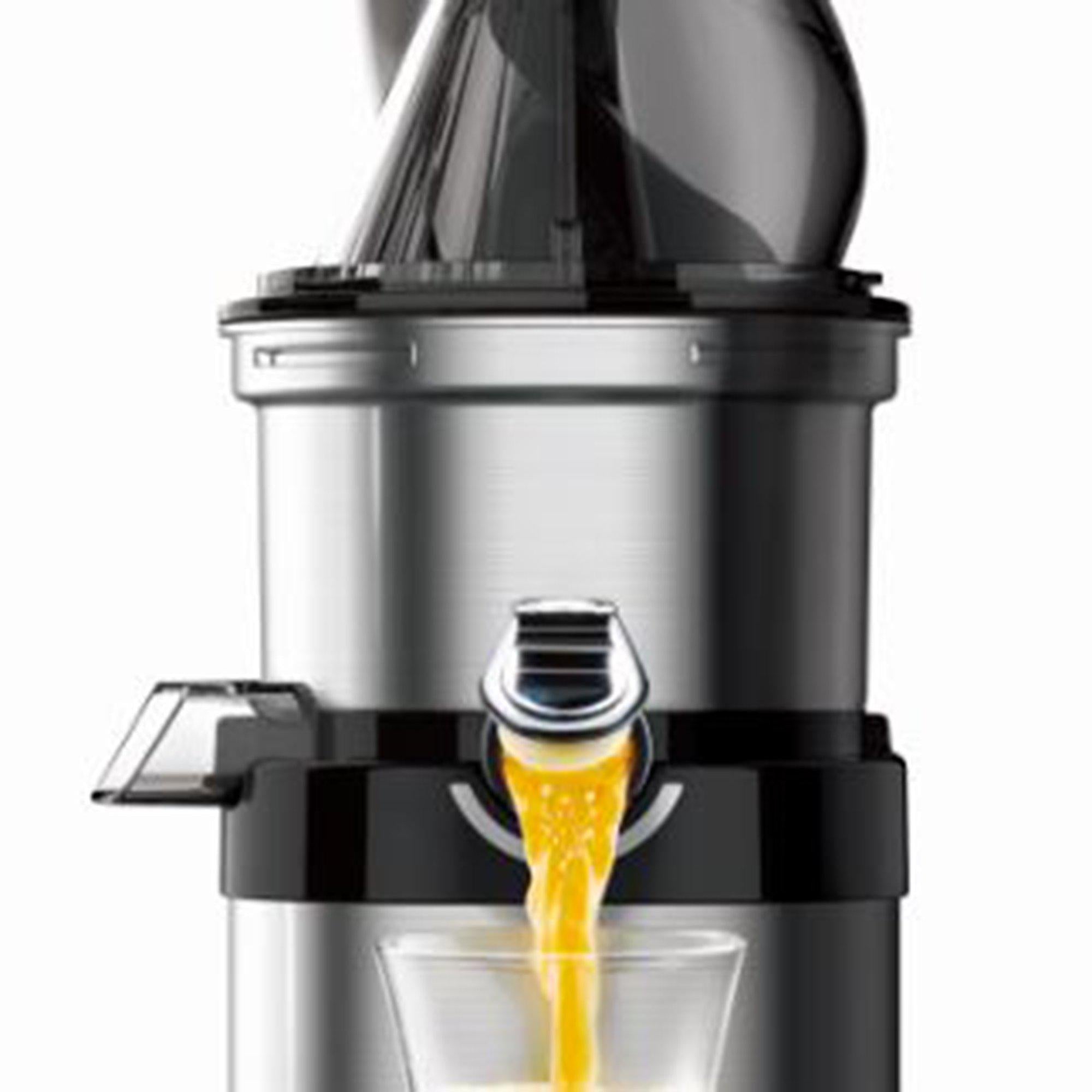
The diameter of the pulp opening at the bottom of the strainer is smaller than the width of the pulp spout. Since the strainer opening is smaller, the line of pulp exiting the pulp spout may not fill the entire spout. This is why the pulp may only move on one side. As long as the pulp is exiting, your juicer is functioning as it should.

2. Pulp remains in different parts of the juicer
Pulp moves and exits when you feed the juicer with ingredients. When you get to the end of a juicing session, you have no more ingredients to feed. Without pressure from new ingredients, the pulp will no longer move, leaving behind some residue.
Pulp residue around the screw, strainer, and juicing bowl is all normal!

Possible Clogging Scenarios
When pulp blocks the strainer holes and pulp openings, it builds up within the juicer. This can stop the juice and/or pulp flow from their designated spouts. If left unaddressed, the clogging may become so severe that the juicer stops operating entirely.
Look out for the following when juicing:
- Pulp gathers above the screw and into the lid
- No pulp movement from the pulp spout
- Juice does not exit the juice spout
- The juicer stops completely
Clogging Prevention Tips
Avoid the hassle of dealing with a clogged juicer. Try our tips for a smooth, efficient juicing experience every session.
1. Don't juice dry ingredients
Dry ingredients, or ones with minimal water content, often yield little or, in some cases, no juice at all. A prime illustration of such low-juice ingredients is artichoke.
In our Juiceable Series, we tried juicing artichoke, specifically the outer green and inner purple leaves. We found that artichoke leaves yield only a minimal amount of juice. More importantly, artichoke contributed to clogging because the long, stringy fibers blocked the pulp opening. No pulp could make its way into the pulp cup.
2. Strategically insert your ingredients
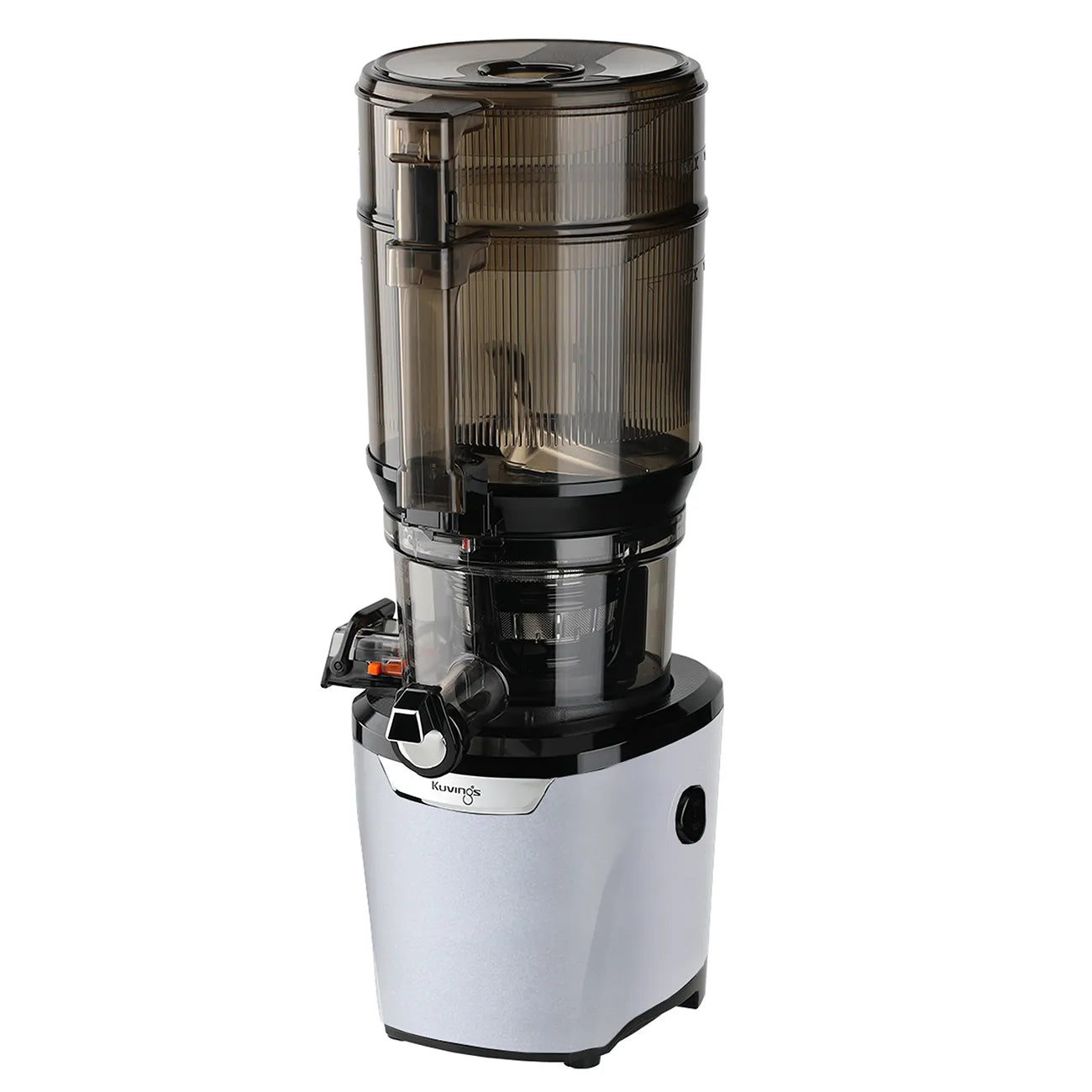
If you have a manual-feed juicer, we recommend alternating between soft and hard ingredients. If you have a hands-free juicer, we recommend layering. Place soft ingredients on the bottom of the hopper and hard ingredients on top.
Hard ingredients are key to juicing because they can help push the soft ingredients through the strainer holes and pulp openings. We recommend reading our guide to juicing soft ingredients for tips.
3. Feed slowly (Manual-feed juicers)
Insert ingredients one portion at a time; let the juicer process each portion before adding more ingredients.
Avoid feeding the juicer too many ingredients too quickly. This may cause the juicer to struggle to extract juice fully from each ingredient. For maximum yield, do not overfeed your juicer.
Also, use the pusher and never use foreign objects like utensils to push ingredients down. While the pusher can help maneuver some ingredients, do not use it to force items down and speed up the process. You may end up feeding the juicer too fast. Ingredients will naturally move down in a vertical juicer, so pushing forcefully isn't necessary.
To keep things moving efficiently, we also recommend leaving the juice cap open.
4. Clean your juicer regularly
Clean your juicer after each use to prevent pulp from drying and hardening in the parts. If hard pulp remains on the parts, it'll block the holes and openings, leading to clogging.
Luckily, cleaning is super easy. Check out our cleaning videos for a cleaning demonstration.
Clogging Troubleshooting Tips
If you think that your juicer is clogged, try following these steps:
- Insert harder ingredients to help push pulp through the juicer.
-
Press the reverse button for a few seconds, then press the forward button for another few seconds to loosen the pulp. You may have to repeat this step a few times.
- Disassemble the lid or hopper and remove excess pulp from the strainer and screw. You can also give the strainer and screw a quick rinse.
Still need help? Contact customer support.